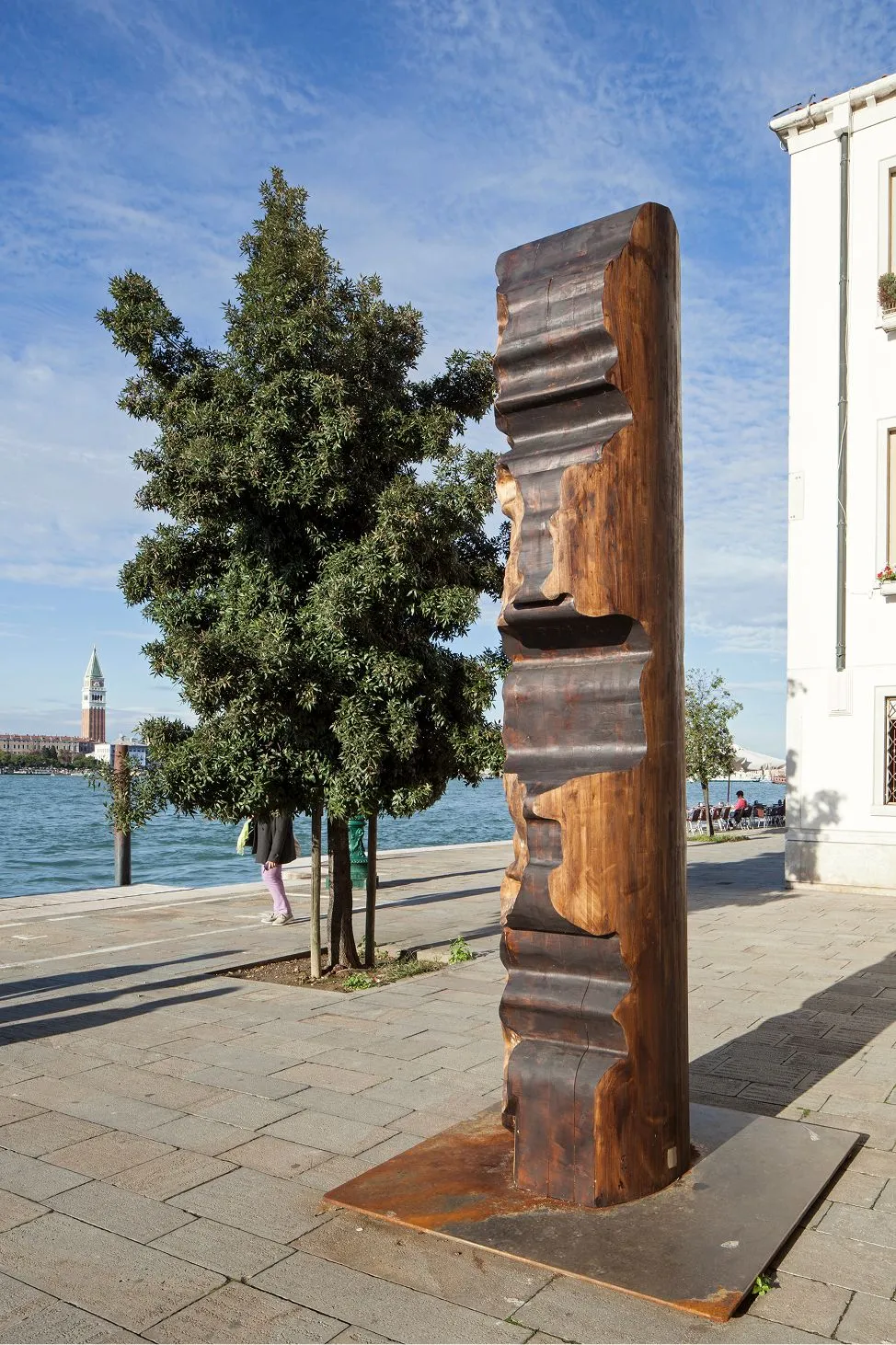
Parallel Convergences
Paweł Althamer et Anatoly Osmolovsky
1 juin – 6 octobre 2013
Casa dei Tre Oci Giudecca – Zitelle, Venice
Commissariat Nicholas Cullinan, projet porté par la Fondation V—A—C
This catalogue, and the exhibition it documents, brings together the work of two artists whose work shares many interesting parallels and equally some important differences. If the initial impetus for placing Paweł Althamer (born in Warsaw in 1967) and Anatoly Osmolovsky (born in Moscow in 1969) in dialogue with one another would seem to be determined by biography and geography – both are of the generation shaped by the collapse of Soviet Union and the Eastern Bloc in the late 1980s and early 1990s, and the subsequent shift from Communism to post-communism – the resulting exhibition raised a more interesting set of questions around their practice and the relationship between more political, collaborative and diffuse modes of art and the making of objects, broadly defined as sculpture. If both artists are born only two years apart, their careers follow similar trajectories and navigate some of the same ideological and ethical terrain.
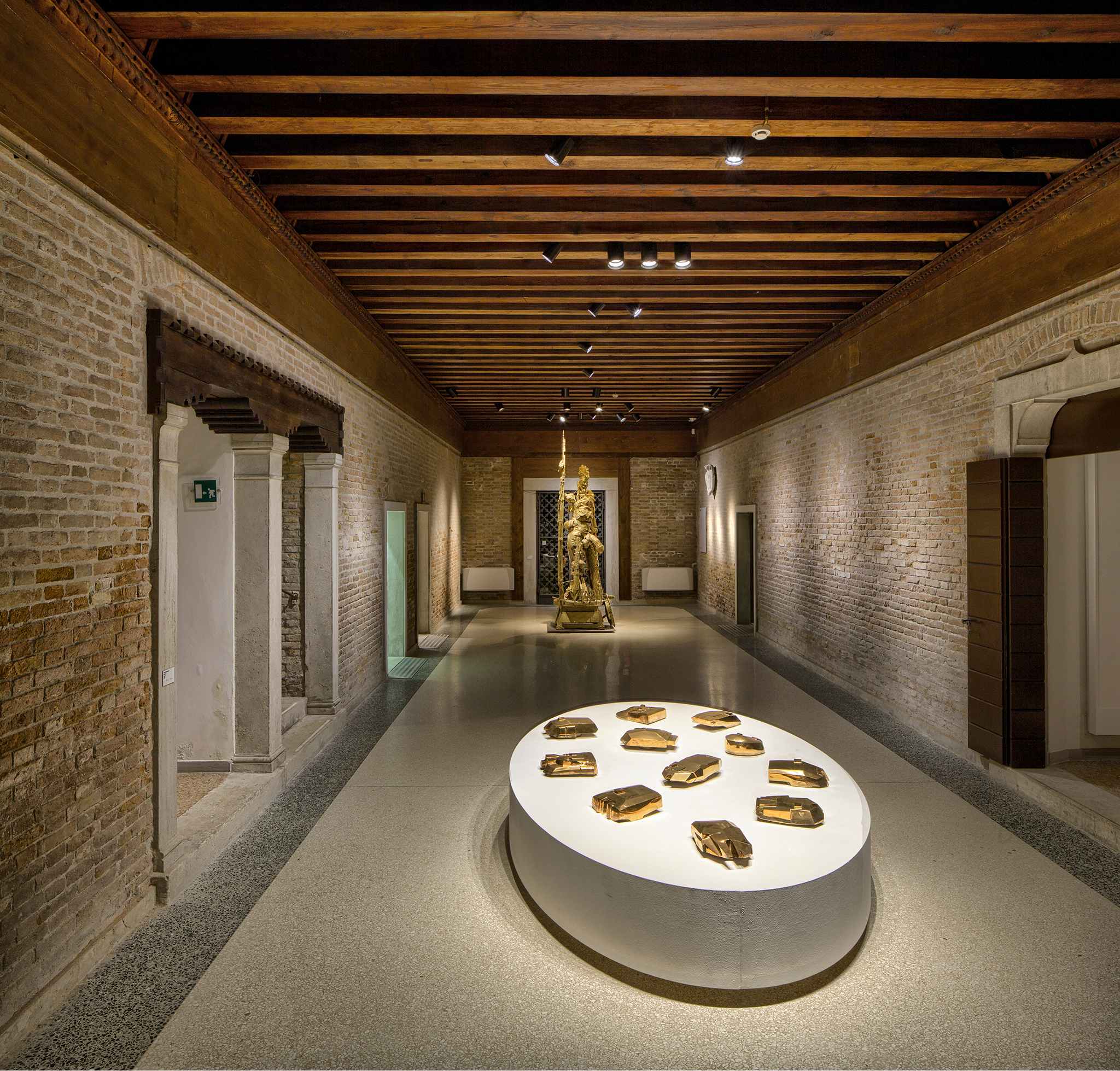
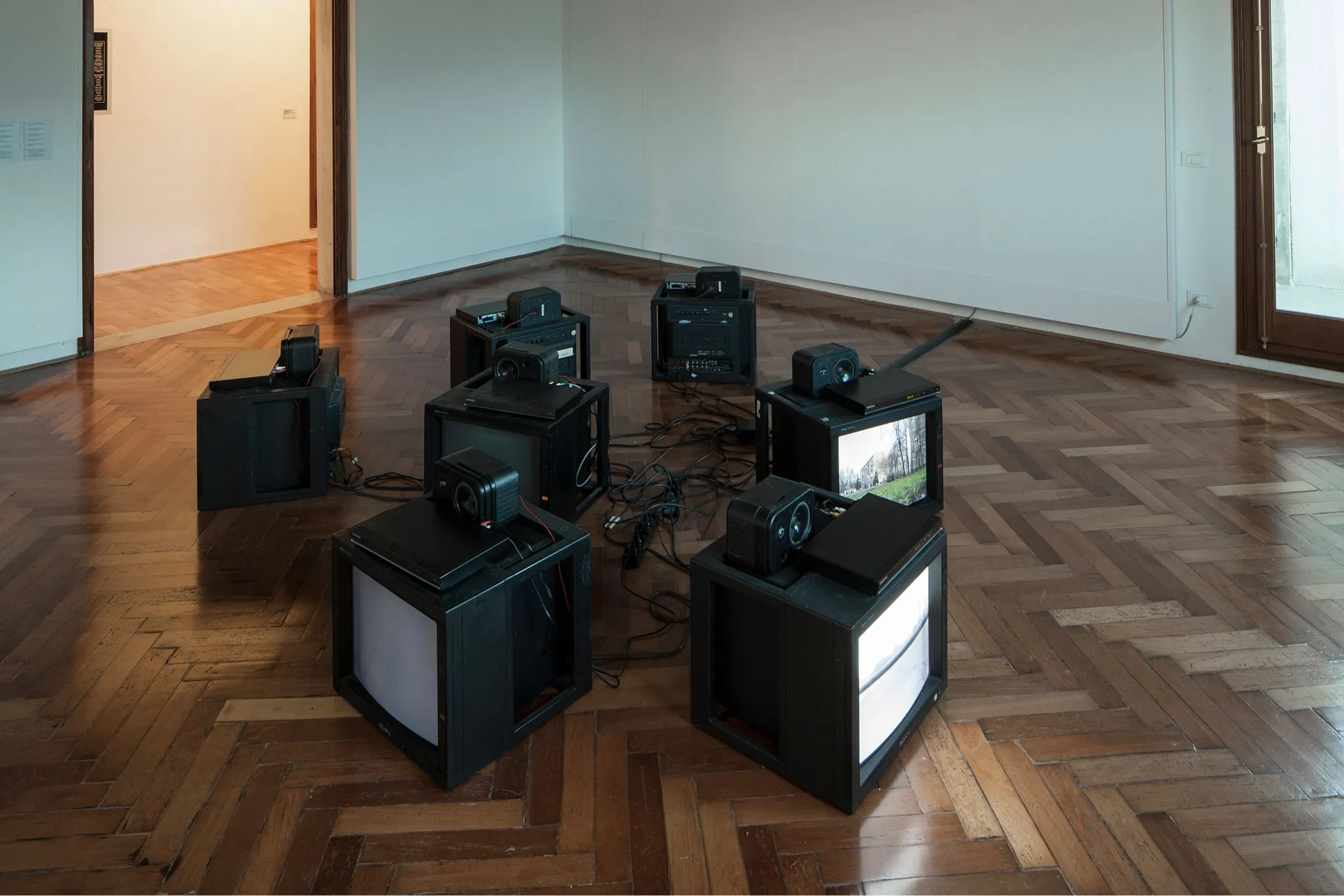
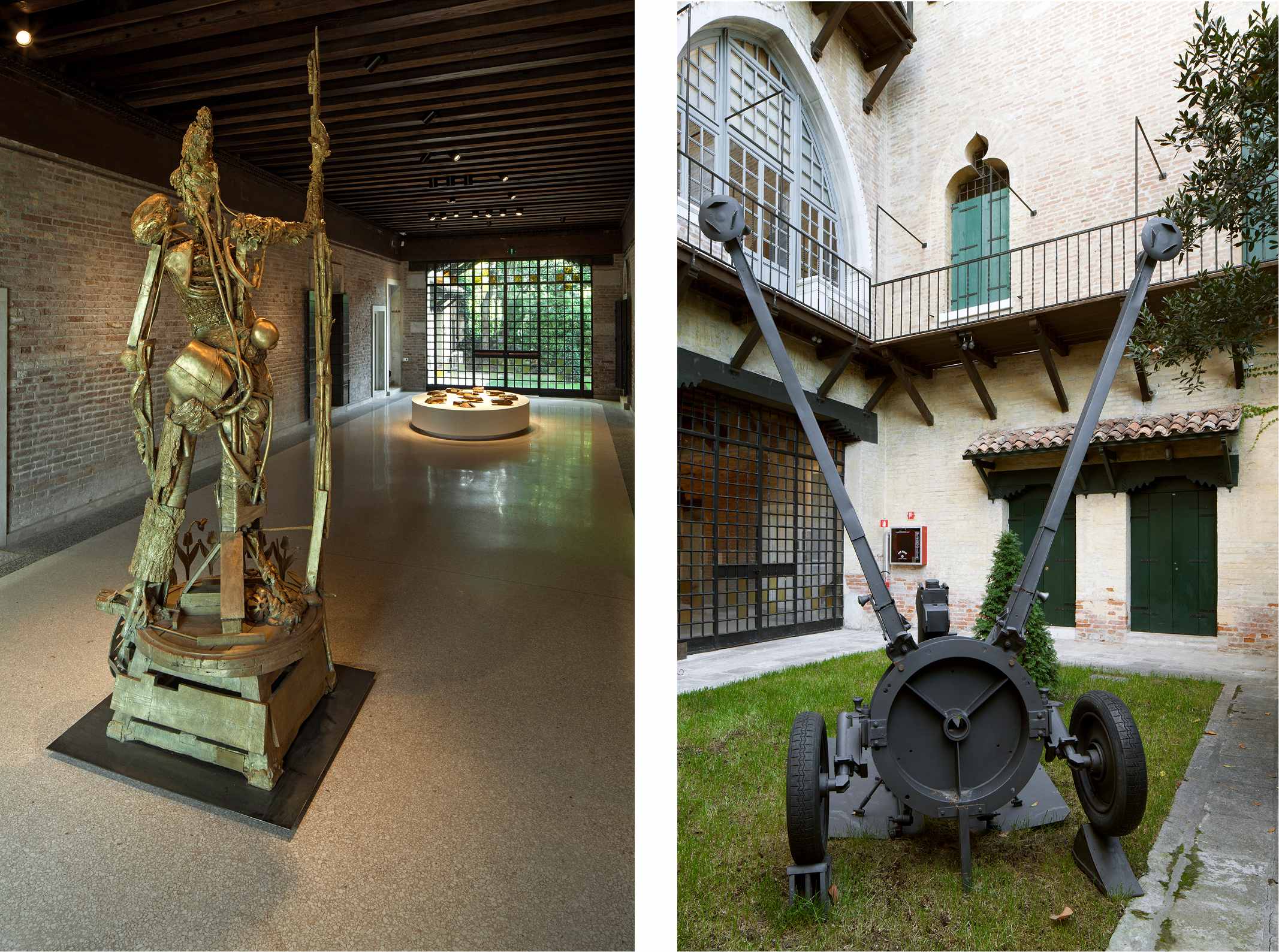
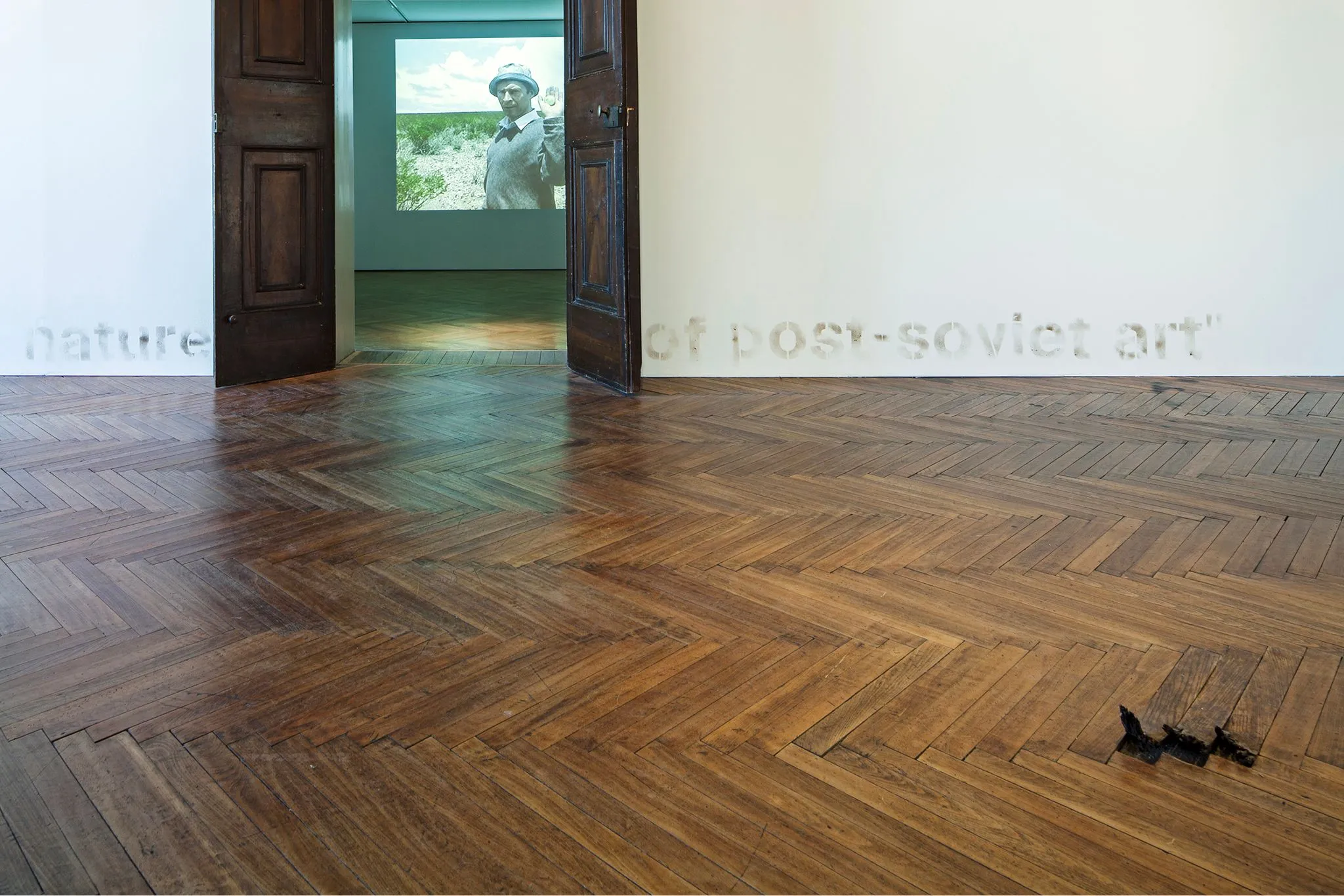
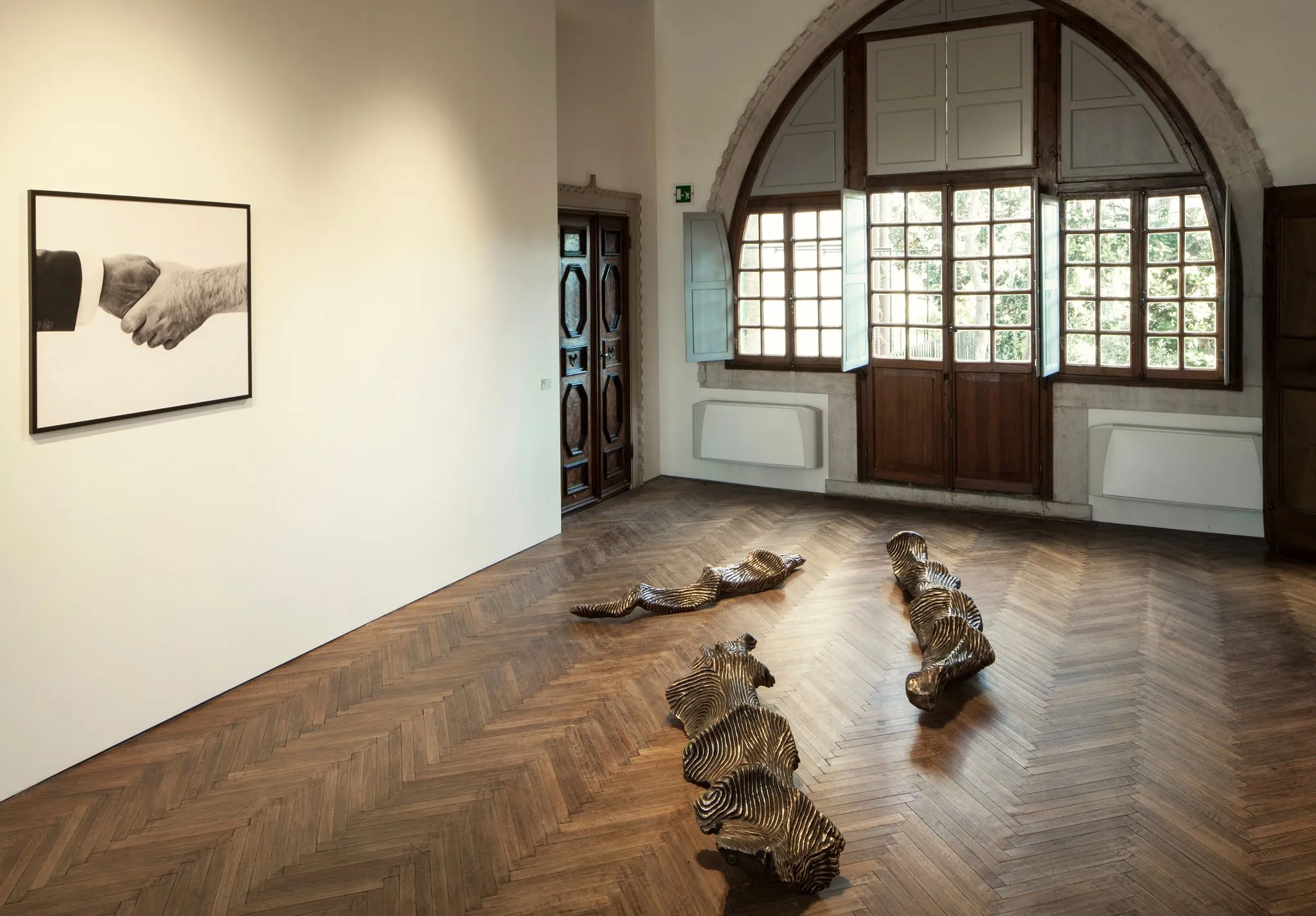
Over his roughly twenty-year career, Polish artist Paweł Althamer has constructed a singularly thoughtful and intuitive body of work - body being the operative word. Althamer originally trained as a sculptor, and despite the varying mediums he has adopted — including video, installation, and diffuse forms of social praxis — the corporeal remains at the heart of Althamer’s endeavour. The expanded nature and collaborative aspect of Althamer’s practice was reflected in the exhibition by two facets. First of all, through the video cycle So-called Waves and Other Phenomena of the Mind from 2003-4, an eight-screen installation of short films made in collaboration with Artur Z˙mijewski, showing Althamer under the influence of various substances, each of which were dispersed in various rooms of the Casa dei tre Oci and spread across all three floors. To balance this work, Althamer was also represented by Parys, a new monumental bronze cast sculpture from 2013, demonstrating his continuing engagement with this medium (which also has an often collaborative element, as in this work, which was originally an assemblage made with several pairs of hands), which was also reflected in his major installation Venetians from 2013, on view simultaneously in the Arsenale of the main Biennale.
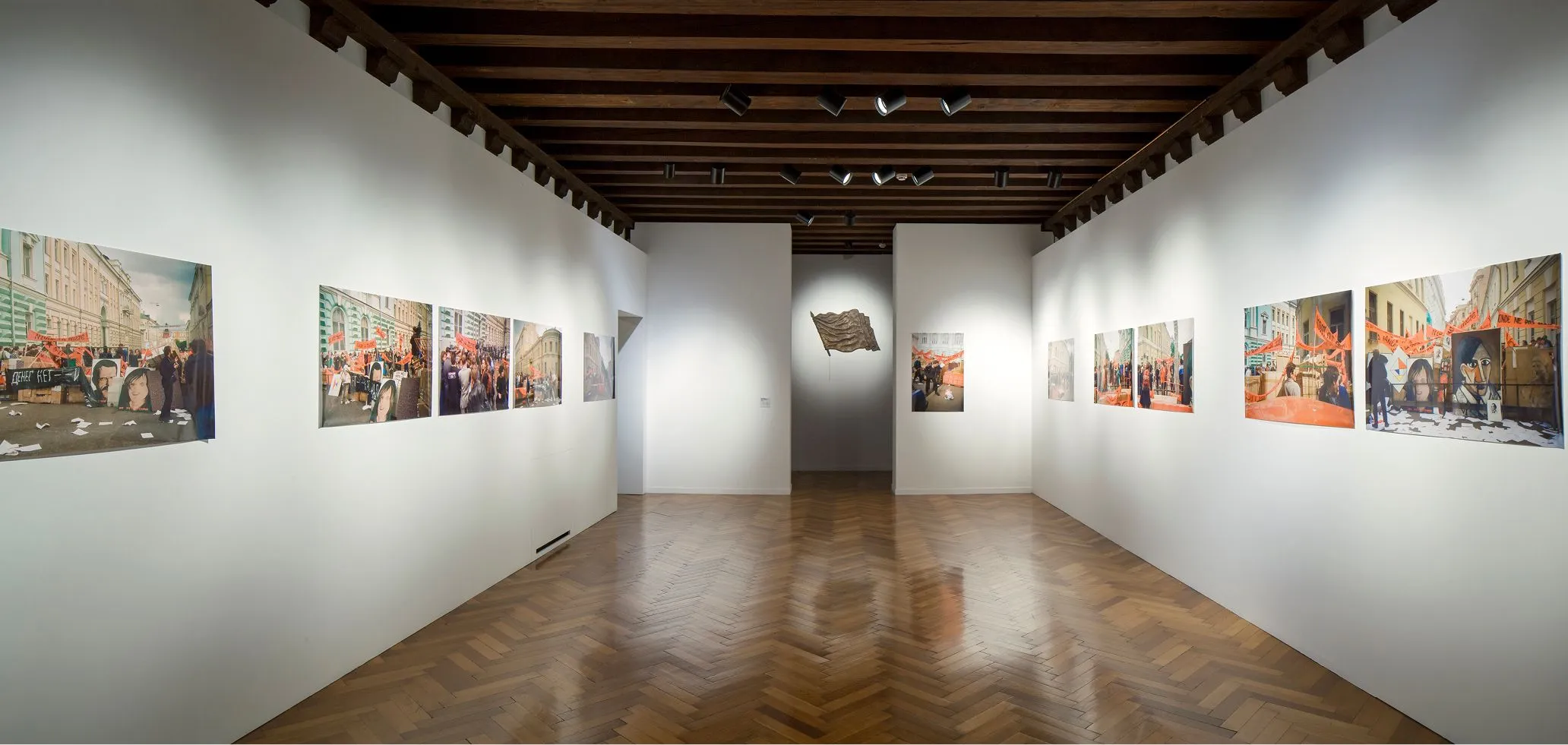
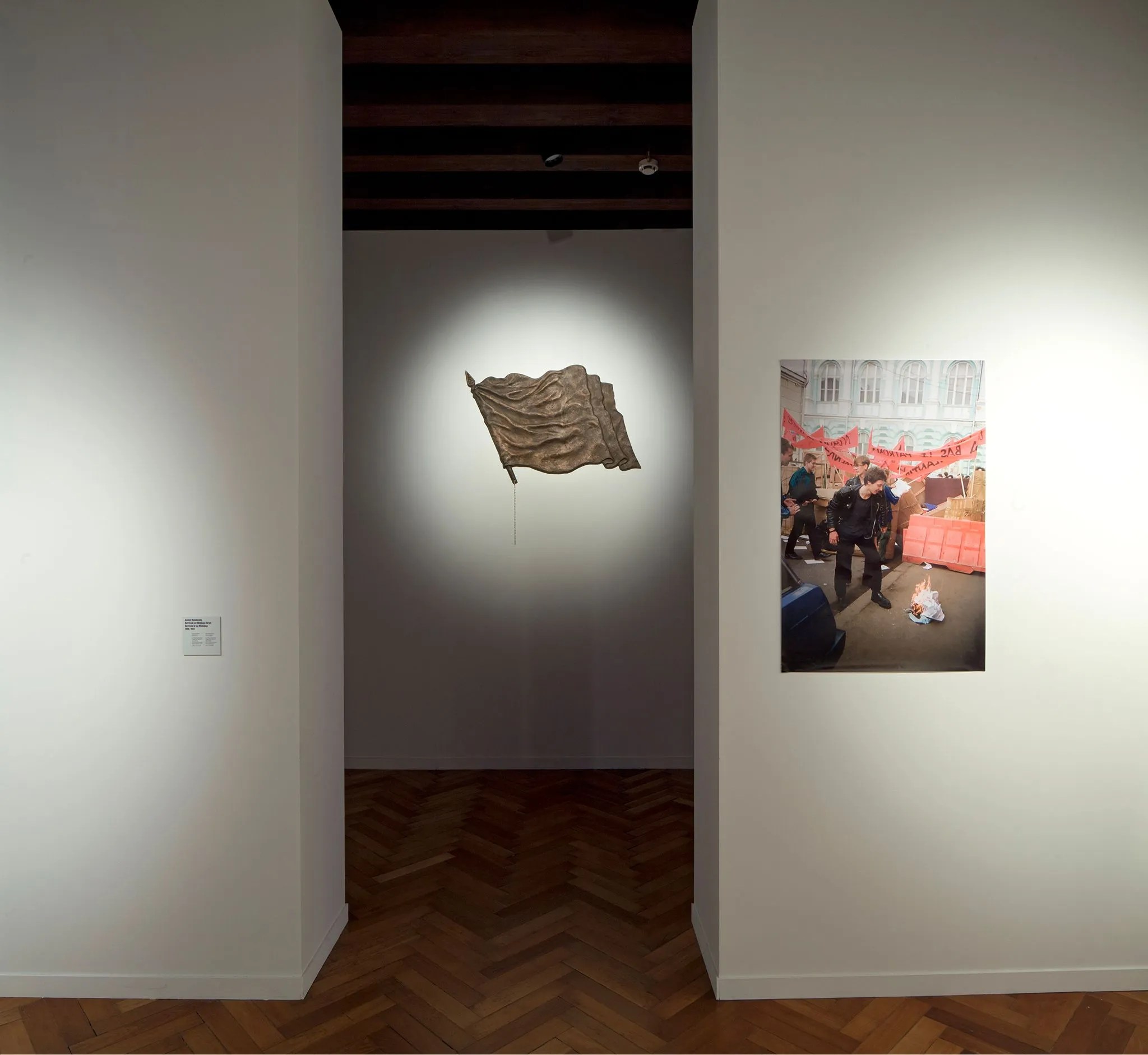
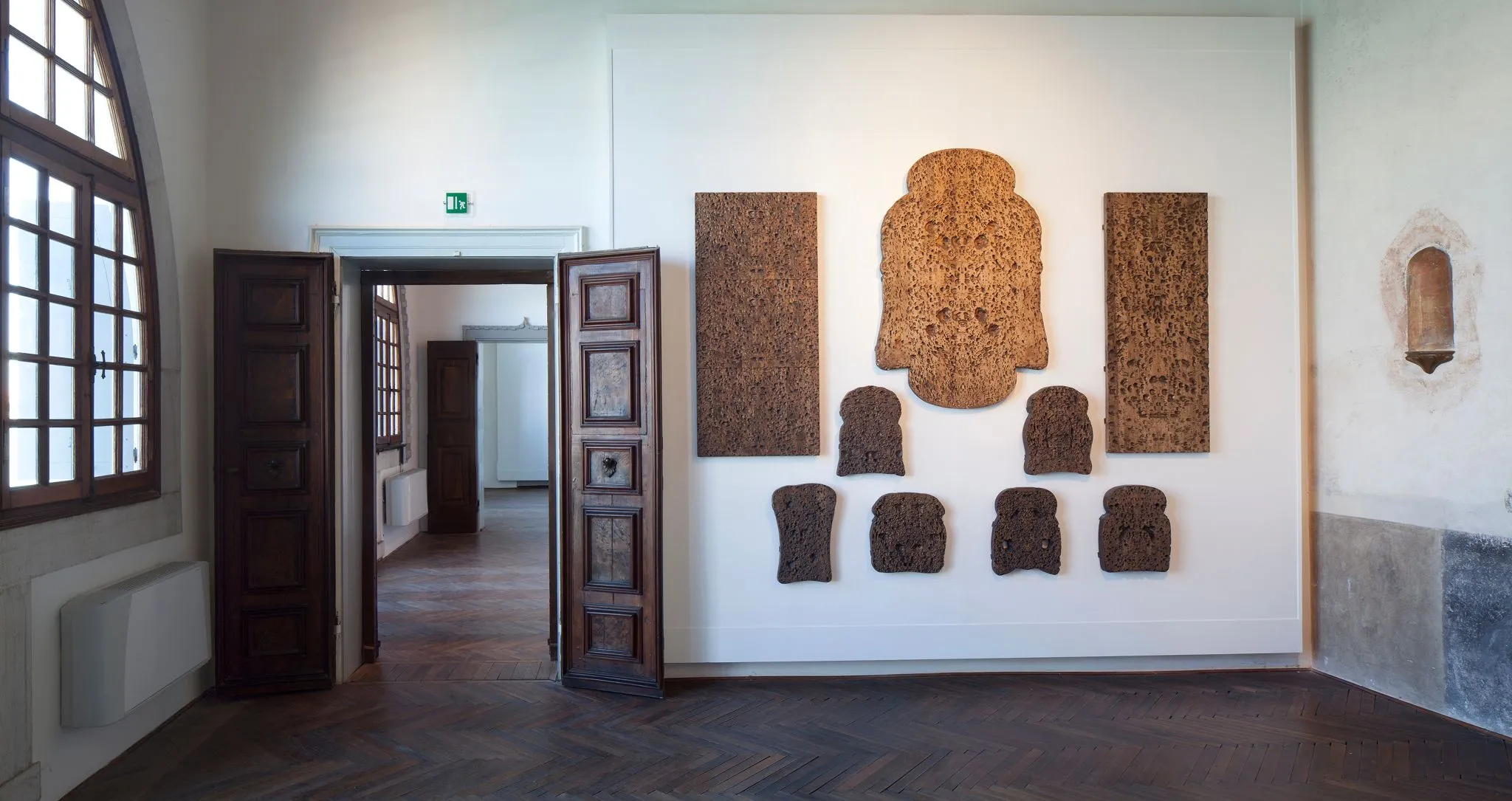
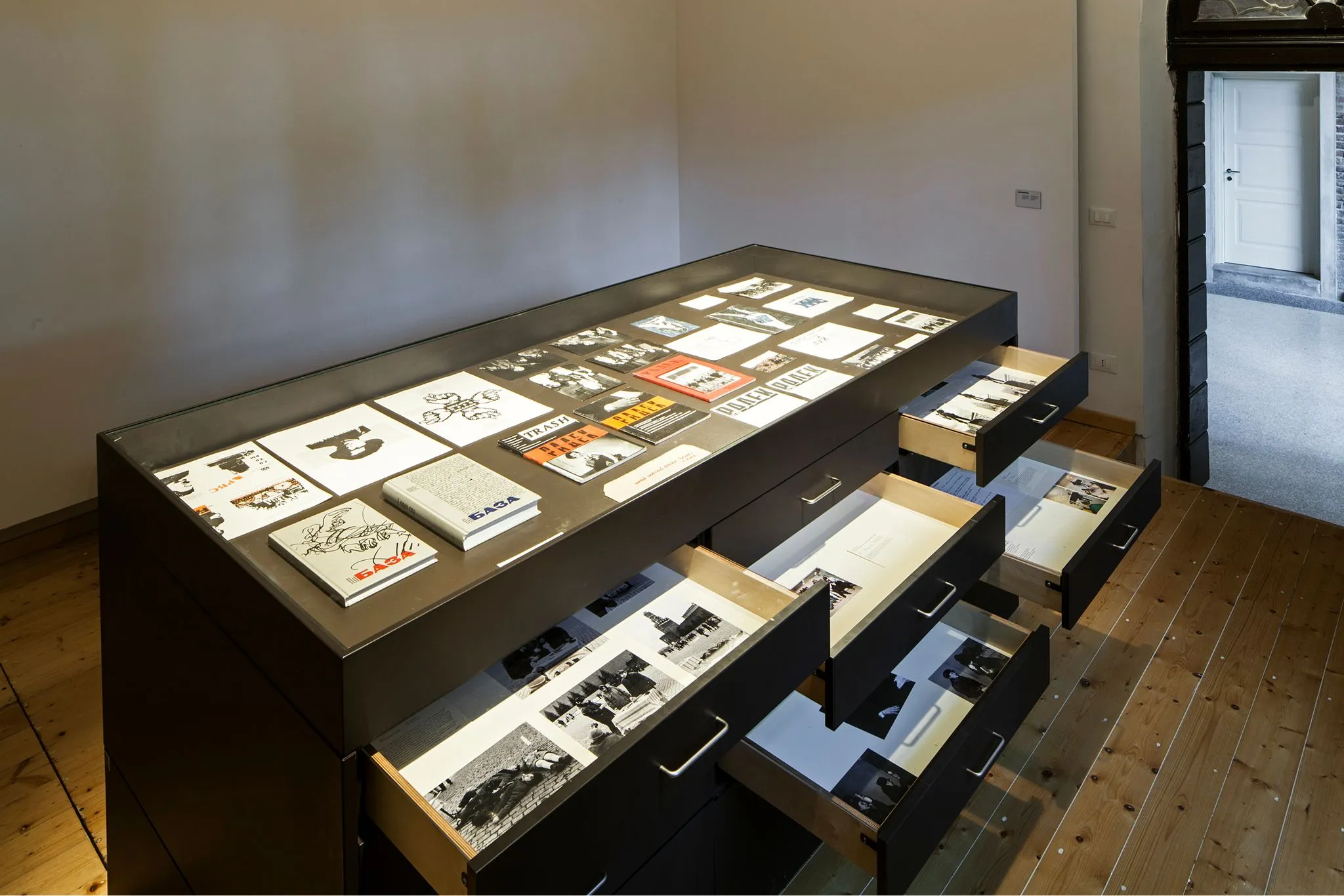
Osmolovsky, on the other hand, as this catalogue demonstrates, was represented by a fuller retrospective selection of works spanning his career of also more than two decades but these also showed a shift from more political modes of artistic practice, which was represented in the exhibition by a detailed archival display of photographs and documents of his actions, performances and important activities in publishing, to what could broadly be defined as a move to sculpture around the turn of the millennium, albeit one that is just as politically-committed as his earlier work. The Russian art scene around the fall of the USSR was turbulent, as one might expect. One off-shoot from it was ‘Moscow Actionism’, which was an often violent, nihilistic reaction to the chaotic introduction of capitalism in Russia. The period of the 1990s in post-Perestroika Russia was dominated by politically charged performances generally, and Osmolovsky was at the very forefront of these, before then applying these ideas to site-specific interventions and installations such as Monument to the Brilliant and Victorious NATO General Dr. Freud of 2000.
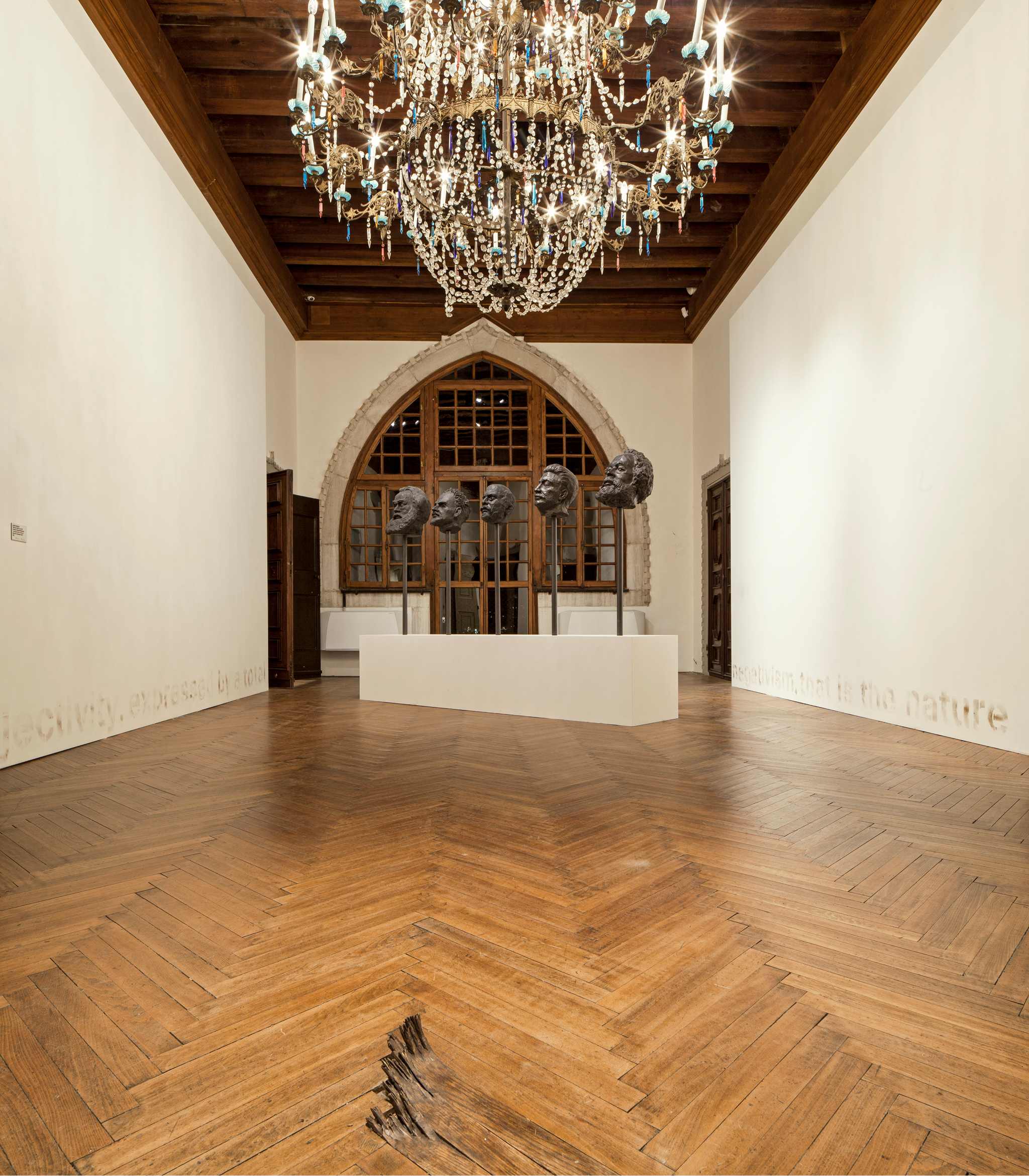
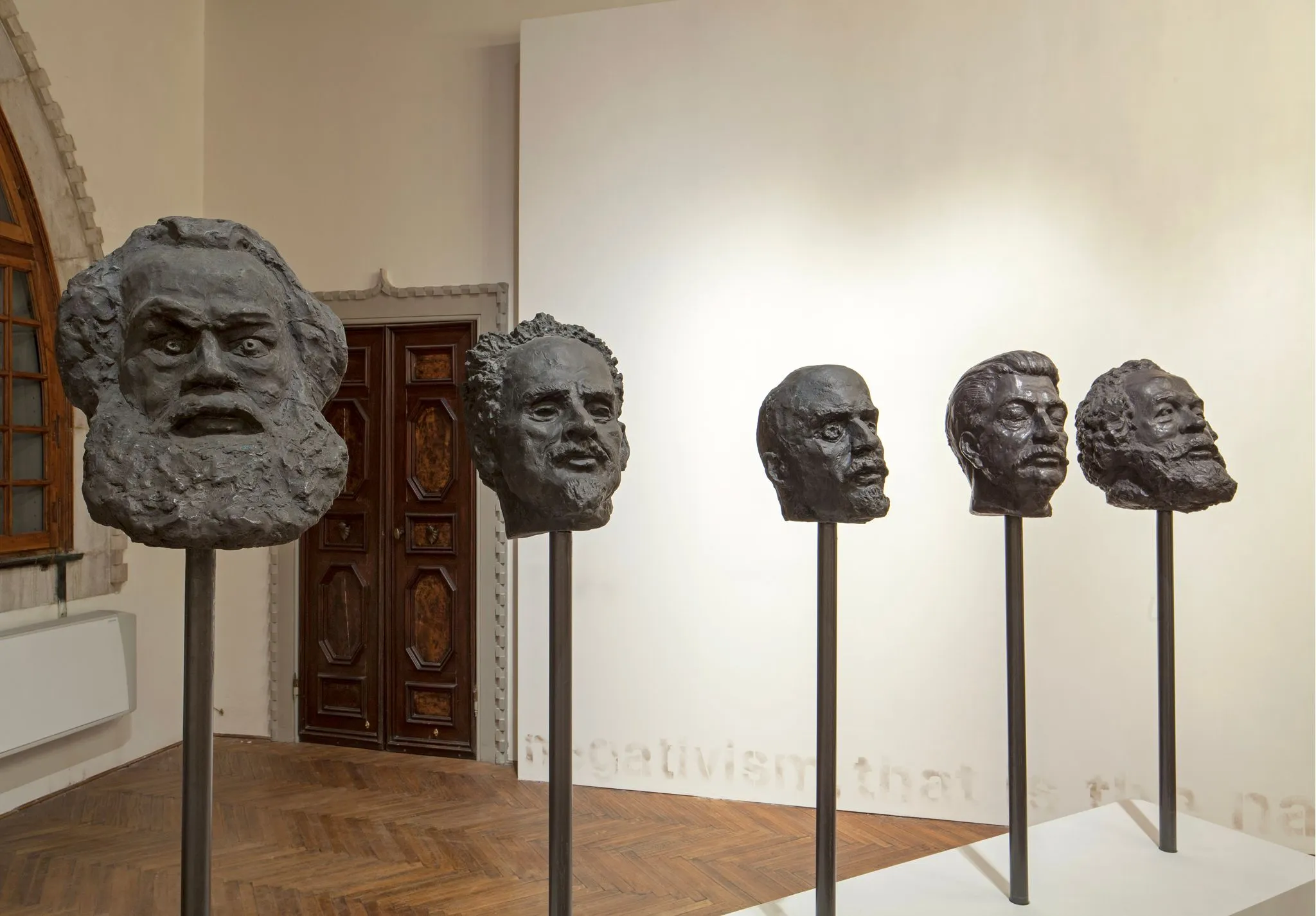
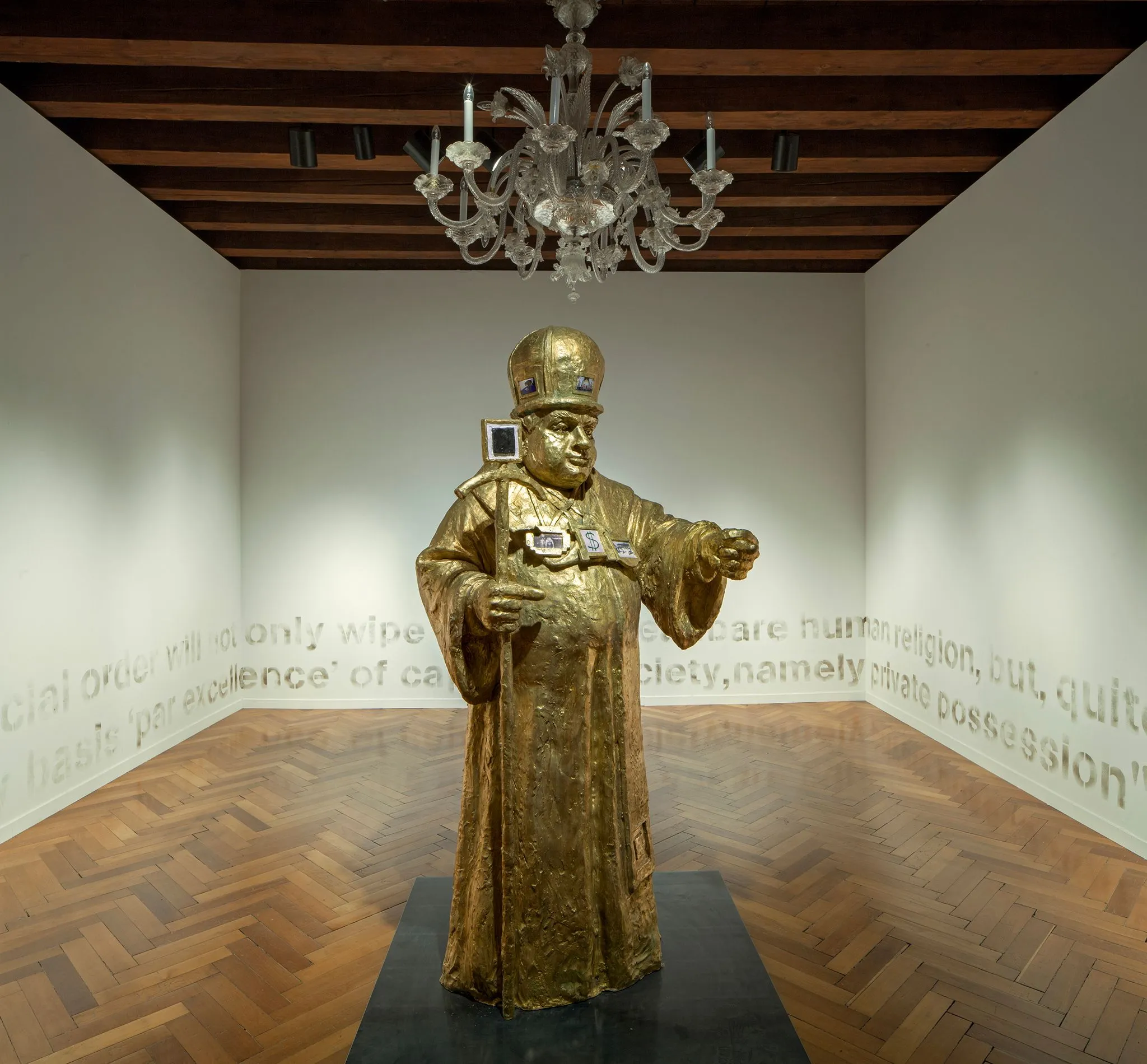
While the work of Althamer and Osmolovsky has been included together in larger group exhibitions – at Manifesta 3 in Ljubljana in 2000, where the artists met for first time, and again at the survey of post-communism ‘Ostalgia’ at the New Museum, New York in 2011, this fuller survey of their work allowed certain affinities to be elucidated. While the exhibition revealed many striking overlaps in Althamer’s and Osmolovsky’ s projects, such as their marked engagement with sculpture, combined with more socially and politically-committed modes of art making, and a complex relationship with the history of the Soviet Union and Eastern Bloc, just as important were the differences between them and the independent nature of their projects. To this end, it was a deliberate choice to vary the proximity with which Althamer’s and Osmolovsky’s work was shown together, with both of them dispersed over the three floors of the palazzo, sometimes adjacent and in direct dialogue with each other, but more often separate and the links between one work and another and each artist being made as the visitor walked among the rooms of the Tre Oci. If sculpture, assemblage, video, and more conceptual and politically engaged modes of making art were all present in the exhibition, ranging from the monumental to the ephemeral and slight, this gestured to some of the key features underpinning Althamer’s and Osmolovsky’s endeavour. A case in point is the irreverent attitude extended towards organised religion, as in an early performance by Althamer from 1991 called Cardinal, which was not included in the exhibition, and most obviously in the work Osmolovsky created for this exhibition, Golden Self-Portrait of 2013, which saw him take on the guise of the Patriarch of the Russian Orthodox Church.
Given the range of work in a variety of media for both artists that the exhibition encompassed, including new works by both made especially for project, it seems fitting that the exhibition concluded with a collaborative piece. Bearing the title of the exhibition, Parallel Convergences consists of an exchange of associative images between Althamer and Osmolovsky, which took the form of the Surrealist game of cadavre exquis, exquisite corpse, for the digital age. The individual works by both artists, more fully elucidated in the texts on each one, speak for themselves, as do the important selections of interviews and writings by both artists included here, which round off the consideration of the multifarious nature of Althamer’s and Osmolovsky’s practice.
Texte: Nicholas Cullinan
Published in the catalogue Paweł Althamer and Anatoly Osmolovsky: Cadavre Exquis.